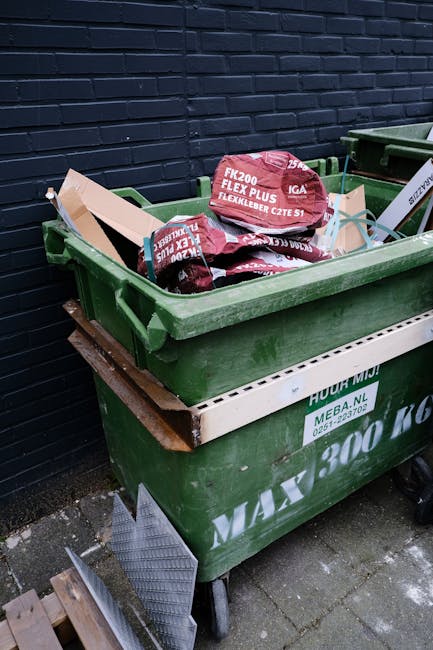
Rubbish collection guide for Green Lanes shops N13

If you run a shop on Green Lanes in N13, rubbish has a habit of arriving faster than you can deal with it. Cardboard builds up behind the till, broken display packaging appears after a stock delivery, and before long there's a bin issue, a back-of-house storage issue, and sometimes a customer-facing issue too. This Rubbish collection guide for Green Lanes shops N13 is here to make that easier. It explains how local shop waste collection works, what to watch out for, and how to keep your premises tidy without turning waste handling into a daily headache.
We'll cover practical collection methods, what suits different types of shops, the common mistakes that cost time and money, and the best way to stay organised when trade waste starts piling up. No fluff. Just straightforward guidance that helps you make a better decision.
Why Rubbish collection guide for Green Lanes shops N13 Matters
Shop waste looks simple from the outside, but it quickly becomes a real operational issue. On a busy stretch like Green Lanes, where footfall, deliveries, and limited storage space all compete for room, even a small build-up of rubbish can create a knock-on effect. It can block access routes, make your shop look neglected, and attract pests or complaints from neighbours. To be fair, most businesses only notice how important rubbish collection is once it starts getting in the way.
The guide matters because retail waste is rarely one thing. You may deal with cardboard, soft packaging, damaged stock, old shelving, broken fixtures, food waste if you sell groceries or takeaway items, and the occasional bulky item that does not fit neatly in a normal bin. A good collection setup helps you separate waste streams, keep the premises clear, and avoid rushed last-minute clearances when things get out of hand.
There is also the customer impression. People notice tidy fronts and clean alleyways. They also notice the opposite. If sacks are stacked near an entrance or bins spill onto the pavement, that becomes part of the experience. Nobody wants that sort of first impression, especially when you've worked hard to build a decent shop.
For many businesses, the right approach sits somewhere between regular trade waste collection and a more flexible removal service. If you need a broader waste solution beyond standard bin emptying, pages like commercial skip hire and rubbish removal show the kind of support that can help when volumes rise unexpectedly. Not every shop needs the same thing. That's the point.
How Rubbish collection guide for Green Lanes shops N13 Works
In practical terms, rubbish collection for a shop usually follows a few clear steps. You identify the type of waste, choose a collection method, set a collection schedule, and make sure waste is stored safely before uplift. Simple enough in theory. In real life, it gets messier when deliveries arrive late, stock arrives in bulky packaging, or you have a refit on your hands.
Most shops on a high street setup will use one or more of the following:
- regular bin collections for general waste
- cardboard and packaging removal
- bulk rubbish clearances for refurbishments or stock changes
- special handling for items that cannot go in ordinary waste streams
- short-notice collection when the back room is full and something has to give
The collection method should match your waste pattern, not the other way around. For example, a small convenience store may generate frequent cardboard and soft packaging, while a clothing shop might need occasional clearance for hangers, damaged displays, and stockroom clutter. A cafe or deli, by contrast, can face different disposal demands because food-related waste needs to be handled carefully and kept separate where appropriate.
One practical option is a wait and load skip hire arrangement. That can work well where there is no room to leave a skip parked outside, or where you want waste removed quickly without a long-term obstruction on the street. In some cases, an enclosed or lockable solution such as enclosed and lockable skip hire may also make sense if you're worried about fly-tipping, unauthorised use, or windblown litter. Green Lanes is not exactly the place to leave things half-secured and hope for the best.
For businesses with mixed rubbish and lighter clear-out tasks, man and van services can be useful because they are flexible and don't always need the same footprint as a larger container. If the issue is bigger, faster, or tied to ongoing works, a planned service such as skip hire is usually easier to manage. The right answer depends on volume, space, urgency, and what exactly needs to go.
Key Benefits and Practical Advantages
Good rubbish collection does more than make a shop look tidy. It affects how the business runs day to day. You feel the difference quickly, especially in a compact retail space where every spare metre matters.
- Cleaner customer areas: A tidy frontage and rear storage area makes the whole place feel more professional.
- Less disruption: Planned collections stop waste from interfering with deliveries, stock handling, and opening hours.
- Better use of space: Back rooms stay usable instead of becoming accidental dumping grounds. That part is easy to underestimate.
- Improved hygiene: Waste is less likely to sit around long enough to smell, leak, or attract pests.
- Faster clear-outs: If you suddenly change layout, refit shelves, or replace fixtures, you already know where the waste is going.
- More control over costs: When waste is managed properly, you reduce emergency callouts and avoid waste-related inefficiencies.
There's also a sustainability angle. If you separate recyclable cardboard, metal fixtures, and reusable material properly, more of it can be diverted from landfill. If you want to keep that side of the business visible and credible, it helps to review a provider's approach to recycling and sustainability. Customers increasingly notice whether businesses act responsibly, even if they don't say it out loud.
And yes, there is a quieter benefit too: peace of mind. When rubbish is under control, you stop thinking about it every five minutes. That sounds small, but shop owners know exactly how valuable that is.
Who This Is For and When It Makes Sense
This guide is useful for a wide range of Green Lanes businesses, not just one type of retailer. If you are dealing with waste in a commercial unit, odds are this will apply to you in some form.
It is especially relevant for:
- independent retailers with limited storage space
- grocery shops and convenience stores with mixed packaging waste
- cafes, takeaways, and food-led businesses managing regular waste build-up
- salons, barbers, and service businesses with packaging, consumables, and old fittings
- charity shops and second-hand stores with bulky donations or unsold stock
- shops undergoing refits, de-clutters, or seasonal reset work
If you only generate a small amount of waste and already have a reliable collection cycle, you may only need occasional extra support. But if the bins overflow regularly, the rear yard is getting cramped, or stock changes are creating one-off bulk waste, it makes sense to look at a more flexible disposal plan. That could involve regular commercial skip hire, short-notice same day skip hire, or one-off rubbish removal.
It also makes sense when your team is spending too much time sorting waste instead of serving customers. A shop should feel like a place of movement, not a storage shed. If waste is slowing everyone down, the system needs work.
Step-by-Step Guidance
Here's a practical way to set up shop rubbish collection without overcomplicating it. Start small, but be methodical.
- Map your waste types. List what your shop throws away in a normal week: cardboard, food waste, plastic wrap, damaged products, old signs, packaging bands, broken furniture, and any special items.
- Estimate volume honestly. Don't guess lightly. A quiet month and a busy month can be very different, especially around stock changes and promotions.
- Separate what can be recycled. Cardboard and clean packaging should not be mixed into general waste if you can avoid it. It makes the load heavier and the process clumsier.
- Choose the right removal method. For frequent disposal, compare skip sizes and prices. For awkward access or tight timing, consider wait and load skip hire or man and van.
- Check access before booking. Think about loading space, kerb access, delivery times, and whether anything large has to be moved through the shop.
- Keep hazardous items separate. If you have anything chemical, oily, sharp, or potentially dangerous, it needs special treatment. Don't tuck it in with general rubbish and hope nobody notices.
- Set a collection rhythm. Weekly, fortnightly, monthly, or ad hoc. The best rhythm is the one that prevents overflow without creating wasted capacity.
- Review after the first cycle. If the system is too small, too slow, or too expensive, adjust it quickly rather than waiting until the mess becomes normal.
A lot of shop owners find that once the process is written down, it becomes much easier to train staff. A tiny laminated note in the stockroom can do wonders. Not glamorous, but effective.
Expert Tips for Better Results
If you want cleaner operations and fewer waste surprises, a few habits make a real difference. None of them are difficult, which is probably why people skip them.
Keep a separate cardboard zone. If deliveries happen often, fold boxes down immediately and store them in one place. Loose cardboard takes up far more room than it should. You know the feeling: one little delivery and suddenly half the back room looks like a warehouse.
Book around delivery cycles. Collection timing should work with your stock flow. If a new shipment lands every Thursday, don't schedule waste removal in a way that blocks the same access route.
Use the right container for the job. A larger skip is not automatically better. It can be wasteful if your shop has little volume, and a smaller container can be more practical if your waste is mostly lightweight packaging. Review what can go in a skip before booking so there are no surprises later.
Protect confidential material. Shops often forget about documents, invoices, customer lists, and printed records. If you're clearing old paperwork, confidential handling matters. A dedicated confidential shredding service is a safer option than "I'll just tear it up a bit". That never really inspires confidence.
Think about bulky appliances early. Refrigerators, display fridges, and similar units need special handling. If you wait until the day before a refit, the whole project can stall. For those situations, look at fridge and appliance removal.
Don't ignore the look of the street. On a busy route like Green Lanes, waste control is visible. If customers have to step around sacks or bins, they remember it. A clean threshold changes the whole mood of the visit.
Common Mistakes to Avoid
Most waste problems in shops come from the same handful of mistakes. The good news is that they are all avoidable.
- Waiting until waste is overflowing: If the bin is already full, collection becomes urgent instead of routine.
- Mixing everything together: Recyclables, general rubbish, and special waste should not all end up in one pile if you can help it.
- Underestimating bulky waste: A few broken shelves or a display unit can change the whole disposal plan.
- Not checking space or access: This is a classic. The booking is fine, the vehicle is fine, but the loading point is impossible.
- Ignoring permits where needed: If a container needs to go on the public highway, check the rules first. The relevant pages on skip hire permits and skip permits are useful starting points.
- Leaving staff unsure what goes where: If the team doesn't know the process, the system breaks down quietly over time.
- Assuming all waste is interchangeable: It isn't. Some items need specialist handling, and some can't go in standard collection streams at all.
One small mistake can snowball. A box left in the wrong area becomes a trip hazard. A broken item shoved in the wrong container creates a sorting issue. A loose bag outside becomes a complaint. Nothing dramatic, just a lot of unnecessary friction.
Tools, Resources and Recommendations
You do not need a huge toolkit to manage shop rubbish properly. In fact, a simple setup usually works best. The aim is organisation, not clutter with a better label.
Useful tools and resources include:
- stackable bins or cages for separating cardboard, general waste, and smaller recyclables
- folding knives or safe box cutters for breaking down packaging quickly
- clear signage in the stockroom so staff know what goes where
- a collection log to track how often waste is removed and when volumes increase
- photo notes on your phone if you want to show the size or type of waste before booking
If your situation is tied to a refurbishment or heavy clear-out, you may also want to look at builders skip hire, builders waste removal, or construction waste disposal. That may sound more trade-focused than retail-focused, but shops undergoing fit-outs often generate the same kind of awkward debris. Shelving, plasterboard, timber offcuts, packaging, fixings - all the stuff that somehow multiplies when the room is half empty.
For larger or mixed loads that are awkward to lift through a shop front, grab lorry hire and grab hire services can be practical alternatives. They are not always the first thing people think of, but they can save a lot of manual handling if access is decent and the waste is bulky. If access is really tight, same day skip hire may be the better route when speed matters more than long-term storage.
Law, Compliance, Standards, or Best Practice
Shop waste in the UK is governed by a mix of practical duty, environmental best practice, and legal responsibility. The exact obligations depend on the type of business and the waste you produce, so it is always sensible to confirm the detail for your own operation rather than assuming one rule fits every shop.
A few broad principles are worth keeping in mind:
- Duty of care matters: waste should be stored, transferred, and collected responsibly.
- Hazardous or specialist items need separate treatment: don't place dangerous waste with general rubbish.
- Fly-tipping risk is real: choosing the wrong disposal method or leaving waste unsecured can create problems you really do not want.
- Permits may be needed for roadside containers: if your waste solution uses public space, check before placing anything outside.
- Records help: keep invoices, collection details, and disposal notes so you can show how waste has been managed.
For shops with documents, staff records, old client information, or any paperwork that should not be visible to the public, use a secure disposal route. The confidential shredding option is there for exactly that reason. It's one of those things people only appreciate after they have a pile of old files and no obvious safe way to get rid of them.
It is also worth reviewing basic service terms, payment handling, and safety information before booking any collection. Pages such as terms and conditions, payment and security, and health and safety policy are useful for understanding expectations and avoiding misunderstandings later on.
Options, Methods, or Comparison Table
Different shops need different waste solutions. The best choice depends on how much rubbish you create, how fast it builds up, and whether you can spare space outside the unit.
| Method | Best for | Strengths | Limitations |
|---|---|---|---|
| Regular bin collection | Low, predictable waste | Simple, routine, easy to plan | Can struggle with bulky or sudden waste |
| Skip hire | Ongoing shop clear-outs, mixed waste, refits | Good capacity, flexible for larger loads | Needs space and sometimes permits |
| Wait and load | Busy roads, little storage space | No long roadside placement, quick uplift | Requires waste to be ready on time |
| Man and van | Smaller loads or awkward access | Very flexible, useful for one-off removals | Less ideal for heavier ongoing volumes |
| Grab lorry | Bulky loads with decent access | Efficient for larger, loose waste | Needs room for safe access and loading |
For many Green Lanes shops, the decision comes down to space and timing. If your access is tight and you can't leave a container out, wait and load skip hire or man and van can be ideal. If you have a refit or a sizeable stockroom clean-out, then a more structured option like skip hire or grab lorry hire may offer better value.
Case Study or Real-World Example
Imagine a small retail shop on Green Lanes preparing for a seasonal reset. The team has old display units, cardboard from new stock, broken packaging, some damaged fixtures, and several bags of general waste. The back room is already tight, the delivery entrance is shared, and the shop can't afford to have rubbish sitting outside for two days.
In a situation like that, the owner might start by separating the waste into clear groups: cardboard, reusable items, and general rubbish. Then they look at access. Because the space is limited and the business is open most of the day, a long roadside container doesn't really suit them. A better option could be a quick rubbish removal visit or wait and load skip hire, so the waste is collected on the same day without blocking customer access.
If the refit had been bigger - say, new shelving, flooring, or a back-of-house refurb - they might instead have needed builders skip hire or construction waste clearance. That's the useful lesson: the right method depends on the job, not just the postcode. Small details matter. A missing metre of space can change the whole plan.
Practical takeaway: if the rubbish is predictable, plan it. If it is bulky, urgent, or awkward, choose a collection method that fits the shop rather than forcing the shop to fit the waste.
Practical Checklist
Use this checklist before you book anything:
- Identify the waste type and separate it where possible
- Estimate the volume honestly, including bulky items
- Check whether you have space for a container or loading area
- Review whether you need a permit for roadside placement
- Keep hazardous, confidential, or specialist items apart
- Confirm collection timing around deliveries and opening hours
- Choose a method that suits access, waste volume, and urgency
- Make sure staff know where waste should be stored
- Keep records of what was removed and when
- Review the setup after the first collection cycle
Small checklist, big difference. Honestly, it saves a lot of faffing around later.
Get a free quote today and see how much you can save.
Conclusion
A well-run rubbish collection setup is one of those things that quietly improves everything else. The shop stays cleaner, staff waste less time dealing with overflow, and customers get a better impression the moment they walk in. For Green Lanes shops in N13, that matters even more because space is precious and the street never really stops moving.
If you keep your waste simple, separate, and properly scheduled, you will avoid most of the common problems before they start. And if you have a bigger clear-out, a refit, or a week where everything seems to arrive at once, there are flexible collection methods that can take the pressure off. You don't need to solve it all in one go.
Just keep the system tidy, keep it sensible, and keep it moving. That's usually enough.
Frequently Asked Questions
What is the best rubbish collection option for a small shop in Green Lanes N13?
For a small shop, the best option is usually the one that matches your waste volume and access. If you have limited space, wait and load skip hire or man and van can be more practical than leaving a container outside.
Can I put all shop waste into one container?
Not really, and it is usually a bad habit to get into. General waste, cardboard, recyclable materials, confidential paper, and hazardous items should be handled separately where possible. It makes collection easier and helps avoid sorting problems later.
Do I need a permit for a skip outside my shop?
If the skip or container sits on a public road or pavement, a permit may be needed. The exact requirement depends on placement, so it is sensible to review skip hire permits and skip permits before booking.
How do I deal with bulky shop items like shelving or display units?
Bulky items often need a larger-capacity solution such as skip hire or rubbish removal. If the items are especially awkward or the access is tight, a flexible collection method is usually easier.
What should I do with confidential paperwork from my shop?
Use a secure disposal option rather than placing paperwork in general waste. Confidential shredding is the safer route for records, customer documents, and old business paperwork.
How often should a shop arrange rubbish collection?
That depends on turnover, deliveries, and storage space. Some shops need weekly support, while others only need occasional bulk removal. If you are regularly filling bins early, your schedule is probably too light.
Is same-day rubbish collection possible?
Sometimes, yes. When things are urgent, same day skip hire can be a useful option, especially if a clearance or delivery change has created a sudden waste problem.
What happens if I mix recyclable cardboard with general waste?
You may make disposal less efficient and miss the chance to separate useful material. Cardboard usually takes up a surprising amount of room too, so breaking it down and storing it separately is often better all round.
Are there special rules for food-related shop waste?
Food-related waste can require more careful handling because of hygiene, storage, and smell concerns. If your business produces food waste regularly, it is best to set up a disposal method that keeps it separate from packaging and general rubbish.
Which service is better: skip hire or man and van?
It depends on the job. Skip hire works well for larger or ongoing loads, while man and van is often better for smaller clearances or awkward access. If you want speed without long-term placement, wait and load skip hire may suit you better.
How can I keep rubbish from affecting the shopfront?
Plan collection before waste spills into customer space, break down packaging quickly, and avoid letting bags stack near entrances. For shops on a busy road like Green Lanes, even a small pile can look bigger than it is.
Where can I check what can go in a skip?
You can review what can go in a skip before booking. That helps prevent delays and avoids mixing items that need separate disposal.
What if I need help with a larger shop clear-out or refit?
For bigger jobs, consider options such as builders skip hire, construction waste clearance, or grab lorry hire. The right choice depends on the type and amount of waste, plus how much space you have to work with.