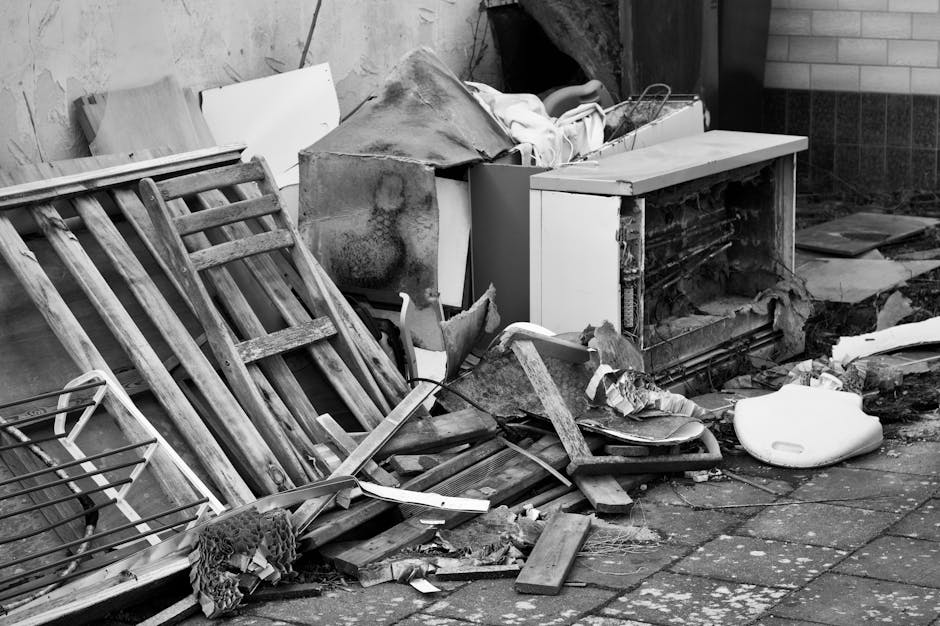
Broomfield Park bulky rubbish clearance guide Palmers Green

If you are dealing with an awkward pile of old furniture, broken appliances, garden waste, or the sort of household clutter that somehow appears overnight, this Broomfield Park bulky rubbish clearance guide Palmers Green is here to make the process feel a lot less messy. Around Broomfield Park and the wider Palmers Green area, people often need a sensible way to clear bulky items without turning the day into a full-blown logistics project. And let's face it, nobody wants a sofa blocking the hallway for a week.
This guide walks through what bulky rubbish clearance actually means, how it works in practice, what to watch out for, and how to choose the right approach for your situation. Whether you are clearing one item or several rooms' worth, the goal is the same: get it gone properly, avoid avoidable hassle, and keep things safe, legal, and cost-effective.
- Why it matters
- How it works
- Key benefits and practical advantages
- Who this is for and when it makes sense
- Step-by-step guidance
- Expert tips for better results
- Common mistakes to avoid
- Tools, resources and recommendations
- Law, compliance, standards, or best practice
- Options, methods, or comparison table
- Case study or real-world example
- Practical checklist
- Conclusion
- Frequently asked questions
Why Broomfield Park bulky rubbish clearance guide Palmers Green Matters
Bulky rubbish is different from everyday bin waste. A broken wardrobe, a sagging mattress, a knackered fridge, or a pile of garden cuttings after a weekend clear-out needs a proper plan. In a residential area like Palmers Green, that matters even more because access can be tight, parking may be limited, and you do not want items left out where they create an eyesore or a trip hazard.
The phrase bulky rubbish clearance covers the removal of larger items that do not fit in standard household bins. Think furniture, white goods, old flooring, bagged mixed waste, garage clutter, and the odd item that has been waiting in the corner for months. The actual challenge is often not the lifting. It is the organising, separating, loading, transporting, and disposing of it correctly.
Why bother doing it properly? Because messy, rushed clearance tends to create extra costs later. Items can be rejected if they contain prohibited materials. Access problems can delay collection. And if waste is handled badly, it can become a compliance issue. Nobody wants a simple clear-out turning into a nuisance. Not in Broomfield Park, not anywhere.
There is also a quality-of-life angle. Clearing bulky waste can free up storage space, improve safety, and make a property feel calm again. You will notice it immediately when the hallway opens up or the shed finally has room to breathe. Small win, big relief.
How Broomfield Park bulky rubbish clearance guide Palmers Green Works
In practical terms, bulky rubbish clearance usually follows a straightforward pattern: assess the waste, decide how much needs removing, choose a removal method, and arrange collection or transport. Simple enough on paper, a little less simple when you are standing in a narrow driveway with a heavy wardrobe and no van in sight.
Most clearances in Palmers Green will fall into one of these categories:
- Single-item removal for one mattress, sofa, appliance, or similar bulky item.
- Room, loft, garage, or garden clearance when there is a small cluster of mixed waste.
- Full property clearance for larger projects such as a move, tenancy change, bereavement, or long-overdue declutter.
- Commercial or light trade clearance where business waste needs quick, tidy removal.
Some jobs are best handled by a skip, especially if you are doing the loading yourself over a longer period. Others suit a grab-type service or a man-and-van clearance where the team loads everything for you and takes it away in one go. If you are unsure which direction to take, start by considering access, volume, time, and what the waste actually contains.
For example, if you are clearing a garage at the rear of a property and the access is awkward, a service such as man and van clearance can be far less stressful than arranging multiple car trips. If the job is larger and you are loading waste over several days, a skip hire option may be better. There is no one-size-fits-all answer, which is annoying but true.
The main thing is to match the method to the waste type and the site conditions. A good clearance plan feels almost boringly smooth. That is the ideal, honestly.
Key Benefits and Practical Advantages
People usually think about bulky rubbish clearance as a chore. Fair enough. But done well, it brings a few very practical advantages that are easy to underestimate.
| Benefit | Why it matters in real life | Typical example |
|---|---|---|
| More space | Clears rooms, storage areas, and outdoor spaces quickly | A garage finally usable again |
| Less stress | Removes the pressure of moving heavy items yourself | No wrestling with a sofa down the stairs |
| Cleaner presentation | Improves the look and feel of the property | Better for lettings, sales, or family visits |
| Safer environment | Reduces trip hazards and clutter-related accidents | Less risk around hallways, sheds, and paths |
| Better disposal outcomes | Items can be sorted for reuse, recycling, or proper disposal | Metal, wood, and appliances handled more appropriately |
There is also a timing benefit. If you are preparing for a move, renovation, or property handover, bulky clearance can take a problem off your plate fast. A clear space makes every other job easier. Painting, cleaning, measuring, staging, even just walking through a room without sidestepping half a wardrobe.
In our experience, the biggest emotional benefit is momentum. Once the big items go, people often find it easier to clear the smaller stuff too. One bag leads to another. Then suddenly the room looks different. Not magic, just progress.
Who This Is For and When It Makes Sense
This kind of clearance is useful for a wide range of people in and around Palmers Green. It is not just for major renovations or end-of-tenancy panic. Sometimes the need is much more ordinary than that.
- Homeowners clearing broken furniture, old appliances, or loft clutter.
- Tenants who need to leave a property tidy and free of large unwanted items.
- Landlords and letting agents dealing with abandoned furniture or fast turnaround needs.
- Families managing a house clear-out after years of accumulated items.
- Gardeners removing branches, soil, old sheds, or mixed outdoor waste.
- Small businesses replacing office furniture or clearing stockroom clutter.
It makes sense when the items are too heavy, too awkward, or too numerous to handle easily yourself. It also makes sense when time matters. If a builder is due tomorrow morning and the old bathroom suite is still in the way, waiting around is not ideal. Truth be told, a short delay can become a long one if you keep putting the job off.
Ask yourself a few useful questions: Do you have safe access? Can you lift the item without damaging floors or walls? Will the waste fit in your vehicle? Do you know what can and cannot go together? If any answer is "not really," then a professional clearance route may be the sensible choice.
And yes, sometimes the answer is simply that you do not fancy spending your Saturday wrestling a damp mattress through the front door. Completely understandable.
Step-by-Step Guidance
Here is a practical way to approach bulky rubbish clearance without overcomplicating it.
- Sort the items by type. Separate furniture, electricals, garden waste, metals, and general rubbish where possible. Mixed waste is manageable, but sorting helps with cost and recycling.
- Check what needs special handling. Fridges, freezers, paint, chemicals, and other potentially hazardous items should not be mixed casually with ordinary rubbish.
- Measure access. Doorways, stairs, side passages, and parking space all matter. A service team can work around tight spots, but it helps to know the limitations upfront.
- Choose your removal method. Decide whether a skip, wait-and-load service, grab lorry, or man-and-van collection is the best fit.
- Book at a sensible time. If neighbours, access, or permit issues might affect the job, plan around them rather than hoping for the best.
- Prepare the items. Empty drawers, remove loose contents, and make sure anything sharp or fragile is handled safely.
- Load or present the waste. Keep items accessible. The cleaner the setup, the quicker the job tends to go.
- Confirm disposal details. Good operators should be able to explain where waste goes and how recyclable material is handled.
If you are comparing methods, the right choice often depends on how much effort you want to spend. A skip gives you time, but you must load it yourself. A collection service gives you convenience, but it is often more suited to a fixed load or a one-off clearance. For mixed household jobs, many people also look at rubbish removal because it removes the heavy lifting from the equation.
One small but useful habit: take a quick photo of the waste area before you start. It helps with planning, especially if you are managing a clear-out while juggling work, family life, or a renovation schedule. Bit old-fashioned, perhaps, but very handy.
Expert Tips for Better Results
These are the kinds of small decisions that make a bulky clearance job feel smooth rather than chaotic.
- Keep similar materials together. Wood, metal, textiles, and electrical items are easier to process when grouped sensibly.
- Break down what you can safely break down. A flat-pack wardrobe or dismantled bed base is far easier to move than a fully assembled one.
- Think in layers. Start with the biggest items first, then clear the smaller bits and loose waste underneath.
- Leave a walkway. A clear path saves time and reduces the risk of knocks and scrapes.
- Plan for awkward items early. Sofas, appliances, and wardrobes often take the most effort, so do not leave them to the end.
- Use daylight where possible. Late-afternoon clearances can feel more rushed than they need to, especially in winter.
A good clearance is part organisation, part common sense. You do not need a perfect system, just a workable one. If you are clearing a property after a move or a long period of accumulation, build in a little breathing room. Things always take longer than you think. Always.
If the load includes items like white goods or old sofas, check whether a dedicated service such as fridge and appliance removal or mattress and sofa disposal would make the process cleaner and easier. Specific services often save time because the handling is already set up for that item type.
Common Mistakes to Avoid
Most bulky waste problems come from simple mistakes, not dramatic disasters. The good news is that they are easy enough to avoid once you know what to look for.
- Underestimating volume. A pile that looks manageable in the morning can fill a van faster than expected.
- Mixing hazardous and general waste. This can create safety problems and complicate disposal.
- Ignoring access issues. Narrow streets, permits, or tight driveways can derail an otherwise straightforward job.
- Leaving everything until the last minute. Rushed decisions usually cost more time and money.
- Forgetting to check item restrictions. Some waste streams need separate treatment, especially electrical or hazardous materials.
- Loading in the wrong order. If the biggest items go in badly, the whole load can become awkward and unstable.
Another easy mistake is assuming "bulky" means "anything goes." It does not. Different items need different handling, and that is especially true for anything with liquid, gas, sharp edges, or electrical components. A little caution up front is much easier than trying to fix a bad load later.
And, to be fair, many people only realise this once they have already dragged the item halfway to the kerb. We have all been there, more or less.
Tools, Resources and Recommendations
You do not need a warehouse of equipment to handle a bulky waste job, but the right tools do make the process safer and calmer.
- Heavy-duty gloves for grip and hand protection.
- Moving straps or trolleys for heavier furniture and appliances.
- Protective floor coverings to reduce scuffs in hallways or stairs.
- Labels or tape to mark items that must stay separate.
- Sack bins or strong bags for smaller mixed waste around the main bulky pieces.
- Basic screwdriver or hex key set for dismantling beds, shelves, or wardrobes.
For mixed domestic jobs, it can help to look at related services before you commit. If the space is more than a quick clear-out, house clearance or garage and loft clearance may fit better than a single-item collection. For outdoor waste, garden waste removal is often the cleaner choice. For heavier site jobs, grab hire services can be worth considering too.
One recommendation that saves hassle: ask how the waste will be separated after collection. A careful operator should think in terms of recycling and responsible disposal, not just loading everything into one heap and hoping for the best.
Law, Compliance, Standards, or Best Practice
When bulky rubbish is removed, the main compliance question is simple: is the waste being handled responsibly and by the right people? In the UK, waste duty-of-care principles generally mean waste should be transferred only to someone authorised to handle it, and it should not be fly-tipped or dumped where it could cause harm. That sounds obvious, but in practice it is worth checking.
If you are using a skip on a public road, you may need a permit. If it is placed on private land, access and safety still matter. For certain items, such as fridges, freezers, paint, batteries, oils, or chemicals, extra care is needed because they may need specialist disposal. Best practice is to keep anything potentially hazardous separate and disclose it clearly before collection.
There are also practical standards worth following even when the job is not formally regulated: safe lifting, clear access routes, stable loading, and proper segregation of recyclable materials. If a provider talks confidently about these basics, that is usually a good sign. If they do not, well, that would give me pause.
It is also sensible to keep records if you are clearing waste for a business or on behalf of a landlord. That way you can show what was removed, when it was collected, and who handled it. Simple paperwork, nothing fancy. Still useful.
Options, Methods, or Comparison Table
There are a few common ways to clear bulky rubbish in Palmers Green. The right choice depends on speed, access, budget, and how much lifting you want to do yourself.
| Method | Best for | Pros | Trade-offs |
|---|---|---|---|
| Skip hire | Longer projects, larger volumes | Flexible loading, good for ongoing clear-outs | Requires space and usually self-loading |
| Wait-and-load | Quick removals with limited parking | No skip sitting outside, fast turnaround | Needs you to have waste ready on arrival |
| Man and van | Mixed household items, awkward lifting | Convenient, labour included | Can be less efficient for larger ongoing jobs |
| Grab lorry | Large loose waste or heavier mixed loads | Useful where access and volume suit it | Not ideal for every street or small collection |
If your waste is mostly mixed domestic clutter, a domestic skip hire option may work well. If you need something a bit more compact or secure, enclosed and lockable skip hire can be a better fit. For time-sensitive jobs, a same day skip hire service may be worth checking.
There is no "best" method in the abstract. The best method is the one that fits the shape of the job without forcing you into extra work. That is the honest answer.
Case Study or Real-World Example
A typical Palmers Green scenario goes like this. A family in a terrace near Broomfield Park has finished a long-overdue clear-out before redecorating. They have a worn sofa, two bedside tables, a broken chest of drawers, a couple of old bikes, some garden trimmings, and a fridge that has stopped working. Nothing dramatic, just a bit of everything.
At first, the waste looks manageable. Then the awkward bits appear. The sofa does not fit through the hallway cleanly, the fridge is heavier than expected, and the garden waste keeps shedding leaves onto the path. The family could spend the whole weekend moving items in stages, hiring a trailer, and making multiple trips. Or they could organise a proper collection and get the job done in one controlled visit.
In a case like that, the most practical route is often a combination of clear separation and the right removal method. Furniture and mixed household waste can go together where appropriate, while the appliance is handled through a dedicated route. If the area around the property is tight, a planned collection also reduces neighbour disruption. Less noise, less waiting, less faff.
The result is not just an empty room. It is a fresh start. Paint goes on easier, the floor becomes visible again, and the stress of having "that pile" out of sight is gone. Small thing, maybe. But it changes how a home feels.
Practical Checklist
Use this before you book or start a bulky rubbish clearance job.
- List every bulky item that needs removing.
- Separate ordinary waste from electricals, liquids, or potentially hazardous materials.
- Measure access points, stairs, and parking space.
- Decide whether you need a skip, man-and-van collection, grab service, or a hybrid approach.
- Check whether any item needs special handling, such as appliances or mattresses.
- Clear a path from the waste area to the pickup point.
- Remove loose contents from drawers, cabinets, and cupboards.
- Protect floors and walls where heavy items might pass.
- Ask about recycling and responsible disposal.
- Keep any important paperwork or receipts for your records.
If your job is more than a few items, it can help to look at wider support such as waste recycling services or recycling and sustainability so the clearance is not just quick, but also better aligned with reuse and recovery where possible.
Get a free quote today and see how much you can save.
Conclusion
A good bulky rubbish clearance should feel organised, safe, and fairly painless. That is the real aim of this Broomfield Park bulky rubbish clearance guide Palmers Green: to help you turn a stressful pile of stuff into a clean, manageable plan. Once you know what you have, how much room you have, and which disposal method fits best, the whole job becomes much easier to handle.
Whether you are clearing one awkward item or a full household load, the key is to act with a bit of structure and not leave everything to the last minute. That one decision saves a lot of shuffling later. And if you can get the space back sooner, well, that is a nice feeling. Quietly satisfying, actually.
When the last item is gone and the room finally settles, you tend to notice the difference straight away. Less clutter. Less noise in your head. A little more room to breathe.
Frequently Asked Questions
What counts as bulky rubbish in Palmers Green?
Bulky rubbish usually means larger items that do not fit in a normal household bin, such as sofas, wardrobes, mattresses, appliances, and heavy mixed household clutter.
Do I need a skip or can I book a collection instead?
It depends on the job. If you want time to fill waste gradually, a skip may suit you. If you want the items removed quickly without loading them yourself, a collection service is often easier.
Can bulky items be collected from a flat or a property with narrow access?
Usually, yes, but access matters. Stairs, tight hallways, and parking restrictions can affect the plan, so it helps to describe the property clearly before booking.
What should I do with a broken fridge or freezer?
Fridges and freezers often need separate handling because they are electrical appliances and may require special disposal arrangements. Keep them separate from general waste.
Is it cheaper to use a skip or a man-and-van clearance?
It depends on volume, access, and how much labour is involved. A skip can be cost-effective for longer jobs, while a man-and-van service may suit quick removals or awkward lifting.
Can I put a mattress with other household rubbish?
Sometimes yes, but it is often better to check whether the collection service prefers mattresses separated. That can make handling and disposal cleaner and simpler.
Do I need a permit for a skip in Palmers Green?
If the skip is on a public road, a permit may be needed. If it is on private land, the requirements are usually different, but safety and access still matter.
How far in advance should I book bulky rubbish clearance?
As soon as you know the waste needs removing. For larger jobs or time-sensitive moves, booking early gives you more choice. If it is urgent, ask about quicker options.
What items should never go in mixed bulky waste?
Potentially hazardous items such as chemicals, paint, fuels, and certain electrical waste should not be mixed casually with ordinary rubbish. Always disclose anything that might need special handling.
Can bulky waste be recycled?
Often, yes. Many bulky items contain recyclable materials such as metal, wood, textiles, and some plastics. The exact outcome depends on the condition and type of waste.
What is the fastest way to clear bulky rubbish before a move?
The fastest route is usually to sort the items early, separate anything special, and book a suitable collection method rather than trying to move everything yourself in stages.
Who should I contact if I am not sure what method is best?
It is usually best to speak with a local waste removal provider who can assess the load, access, and timing. A brief conversation often clears up what sounded complicated at first.
If you want a practical next step, start by listing the items you need removed, checking access, and choosing the simplest method that fits the job. A little prep goes a long way, and once the clutter shifts, the whole place feels lighter.